
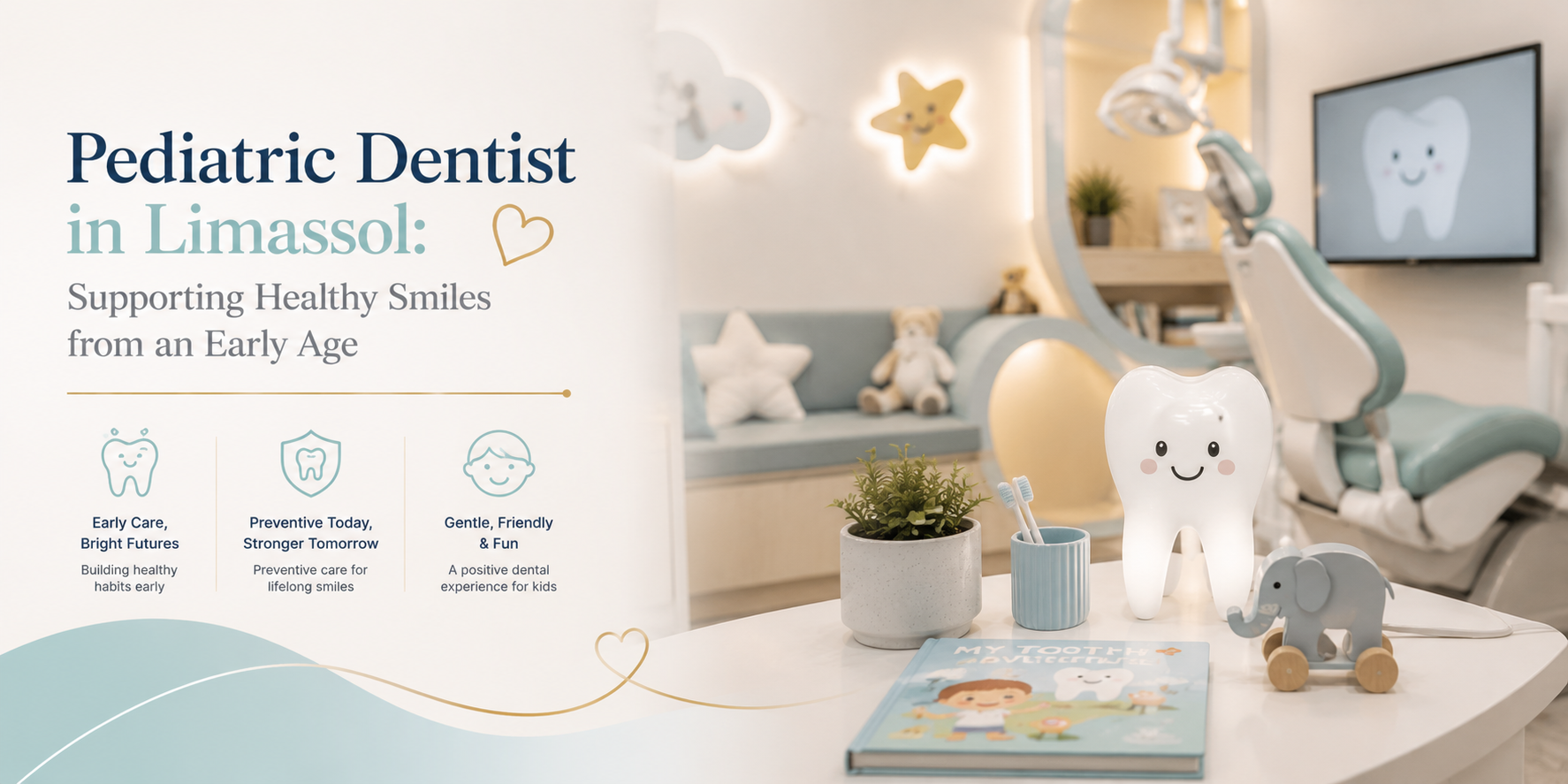
A child's oral health plays an important role in their overall development and well-being. Healthy teeth help children eat comfortably, speak clearly, and smile with confidence. Establishing positive dental habits early in life can also reduce the risk of future dental problems and encourage lifelong oral health.
Many parents wonder when their child should first visit a dentist and how pediatric dental care differs from general dentistry. A pediatric dentist focuses on the unique oral health needs of infants, children, and adolescents, helping young patients develop healthy habits while monitoring their dental development.
For families seeking a pediatric dentist in Limassol, understanding the benefits of early dental care can help ensure children receive the support they need as they grow.
What Is Pediatric Dentistry?
Pediatric dentistry focuses on the prevention, diagnosis, and management of oral health concerns affecting children. From the appearance of the first tooth through adolescence, children's dental needs continue to change as their teeth and jaws develop.
Pediatric dental care emphasizes:
- Preventive dentistry
- Oral health education
- Monitoring dental development
- Early detection of dental concerns
- Guidance for parents and caregivers
The goal is to help children maintain healthy smiles while creating positive experiences that encourage regular dental visits.
When Should a Child First Visit the Dentist?
Many parents are surprised to learn that dental visits should begin much earlier than they might expect.
Most dental professionals recommend scheduling a child's first dental appointment by their first birthday or within six months of the eruption of their first tooth.
Early visits provide an opportunity to:
- Monitor tooth development
- Discuss oral hygiene routines
- Identify potential concerns early
- Educate parents about preventive care
These appointments also help children become familiar with the dental environment, reducing anxiety during future visits.
Why Baby Teeth Matter
Some parents assume that baby teeth are not as important because they eventually fall out. However, primary teeth play a crucial role in a child's development.
Baby teeth help:
- Support proper chewing
- Aid speech development
- Maintain space for permanent teeth
- Guide jaw development
- Contribute to facial growth
Premature loss of baby teeth due to decay or injury can sometimes affect the positioning of permanent teeth and may lead to future orthodontic concerns.
Common Pediatric Dental Problems
Children can experience a variety of oral health issues if preventive care is not maintained.
Some of the most common concerns include:
Tooth Decay
Dental cavities remain one of the most common childhood health conditions. Frequent consumption of sugary foods and drinks can increase the risk of decay.
Gum Inflammation
Poor oral hygiene may lead to gum irritation and inflammation, even in younger patients.
Dental Injuries
Children who participate in sports or active play may be at greater risk of dental trauma.
Thumb Sucking and Oral Habits
Certain habits can influence the development of teeth and jaw alignment if they continue beyond early childhood.
Regular dental examinations help monitor these issues and provide appropriate guidance.
Preventive Dental Care for Children
Preventive care is the foundation of pediatric dentistry. By focusing on prevention, dentists can help reduce the likelihood of dental problems and encourage healthy habits from a young age.
Preventive care may include:
- Routine dental examinations
- Professional cleanings
- Fluoride treatments
- Oral hygiene education
- Dietary guidance
- Monitoring growth and development
These measures help support healthy teeth and gums throughout childhood.
Creating Positive Dental Experiences
One of the most important aspects of pediatric dentistry is helping children feel comfortable during dental visits.
A positive experience can encourage:
- Reduced dental anxiety
- Better cooperation during appointments
- Consistent attendance
- Improved oral hygiene habits
Parents also play an important role by speaking positively about dental visits and reinforcing healthy routines at home.
When children view dental care as a normal part of maintaining their health, they are more likely to continue prioritizing oral health as adults.
Supporting Healthy Habits at Home
Good oral health begins at home. Parents can help protect their child's teeth by encouraging daily hygiene practices.
Helpful habits include:
- Brushing twice daily with fluoride toothpaste
- Assisting younger children with brushing
- Limiting sugary snacks and drinks
- Encouraging water consumption
- Scheduling regular dental check-ups
Consistency is key to establishing strong oral health habits that last a lifetime.
Helping Children Build Healthy Smiles
Early dental care plays a vital role in supporting healthy growth, development, and long-term oral health. By encouraging preventive care and positive dental experiences, parents can help children establish habits that benefit them throughout life.
At Dr. Zenonos – The Dental Clinic, pediatric dental care focuses on creating a comfortable environment where children can receive the support they need for healthy smiles. Regular check-ups, preventive guidance, and personalized care help families build strong foundations for lifelong oral health.
Frequently Asked Questions
When should my child first visit a dentist?
Most children should have their first dental appointment by their first birthday or within six months of their first tooth appearing.
How often should children visit the dentist?
Children generally benefit from dental examinations and cleanings every six months unless otherwise recommended.
Why are baby teeth important?
Baby teeth support chewing, speech development, jaw growth, and the proper positioning of permanent teeth.
How can I prevent cavities in my child?
Regular brushing, healthy eating habits, fluoride use, and routine dental visits can help reduce the risk of cavities.
What does a pediatric dentist do?
A pediatric dentist focuses on children's oral health, preventive care, dental development, and age-appropriate treatment.